

Introduction
eSports, or electronic sports, has transcended its niche origins to become a global phenomenon, commanding unprecedented viewership and investment. This rapidly evolving competitive gaming landscape challenges traditional notions of athleticism and entertainment, presenting itself as a powerful contender in the realm of professional sports. The question of whether eSports represents a true "new frontier" is not just about its growth, but about its fundamental similarities and distinctions from established athletic endeavors.
The background of eSports' meteoric rise reveals a fascinating intersection of technological advancement, cultural shifts, and strategic business acumen. Its importance lies in its burgeoning economic footprint, estimated to surpass billions of dollars annually, and its profound impact on youth culture and digital media consumption. For the scientific community, eSports offers new avenues for research into cognitive performance, training methodologies, and fan engagement in virtual environments. For the industry, it presents novel monetization strategies and audience demographics. Current developments include discussions about eSports' inclusion in major multi-sport events like the Olympics, alongside debates regarding player welfare, game longevity, and regulatory frameworks. This landscape demands a nuanced understanding. What impact would it have on our understanding or practice of professional competition if we failed to fully comprehend eSports' transformative potential and its intricate mechanisms?
Mimicking Tradition: How eSports Mirrors Professional Sports Structures

Athletes, Teams, and Leagues: A Shared Framework
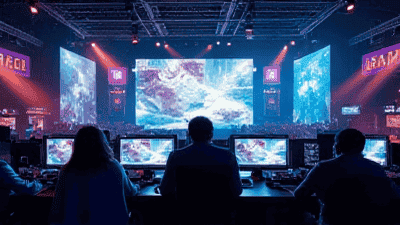
The organizational structure of eSports often directly parallels that of traditional professional sports, providing a compelling argument for its frontier status. At its core are the "eSports athletes" or "pro players"—individuals who dedicate immense time and effort to master specific video games, exhibiting exceptional hand-eye coordination, strategic thinking, reaction time, and teamwork. These players are organized into professional "teams," often backed by large "eSports organizations" (e.g., Team Liquid, FaZe Clan) that provide salaries, training facilities, and support staff, much like a traditional sports franchise. These teams compete within structured "leagues" (e.g., League of Legends Championship Series, Overwatch League, Call of Duty League) that feature regular seasons, playoffs, and championship events with substantial "prize pools." For instance, The International, the annual Dota 2 championship, regularly boasts prize pools exceeding tens of millions of dollars, rivaling those of major golf tournaments. The commitment required from these athletes—rigorous practice schedules, VOD (video on demand) review of opponents, strategic development, and physical conditioning to prevent repetitive strain injuries—mirrors the discipline seen in traditional athletics. The journey from amateur hopeful to professional superstar is often long and arduous, requiring natural talent honed by relentless dedication and strategic insight, akin to rising through minor leagues to the majors.
Beyond Entertainment: eSports' Booming Economy and Global Footprint
Monetization, Media Rights, and Fan Engagement
The economic engine driving eSports is robust and rapidly expanding, solidifying its position as a major player in the global entertainment and sports industry. Revenue streams are diverse, drawing parallels to traditional sports but with unique digital adaptations. A significant portion comes from "sponsorships," with both endemic brands (gaming hardware, energy drinks) and non-endemic giants (Coca-Cola, Mercedes-Benz, Mastercard) investing heavily to reach the highly engaged, predominantly young demographic. "Media rights" for streaming and broadcasting events on platforms like Twitch, YouTube Gaming, and dedicated eSports channels are also a major income source, akin to TV deals for traditional sports.
Furthermore, "publisher fees" (licensing revenue from game developers), merchandise sales, and ticketing for live arena events contribute significantly. The global audience for eSports has grown exponentially, with major tournaments regularly attracting millions of concurrent viewers online, demonstrating a fervent fan base that rivals many traditional sporting events. This global reach and digital nature allow for unparalleled accessibility, transcending geographical barriers.
The growth trajectory of eSports revenue streams highlights this economic dynamism:
| Revenue Stream | 2022 (Millions USD) | 2023 (Millions USD) | Growth (%) |
|---|---|---|---|
| Sponsorships | 641 | 750 | 17% |
| Media Rights | 200 | 250 | 25% |
| Publisher Fees | 120 | 140 | 16% |
| Merchandise & Tickets | 50 | 60 | 20% |
Figures are illustrative estimates based on industry trends.
As this table illustrates, sponsorships remain the largest component, reflecting strong corporate interest. However, media rights show the highest percentage growth, indicating a burgeoning demand for eSports content across various platforms. The sustained growth across all categories underscores the financial viability and increasing commercialization of eSports, moving it firmly into the professional sports ecosystem. This vibrant economic landscape supports a complex network of players, teams, event organizers, and media companies, demonstrating its profound impact beyond simple entertainment.
Navigating the Future: Obstacles and Evolution of Competitive Gaming
Legitimacy, Athlete Well-being, and Sustainable Growth
Despite its phenomenal growth, eSports faces significant challenges on its path to full integration and sustained recognition as a professional sport. One primary hurdle is the ongoing debate around "legitimacy"—the perception from traditional sports enthusiasts and the general public that competitive gaming lacks the physical rigor or athletic prowess associated with conventional sports. While cognitive demands are high, the visual absence of overt physical exertion sometimes hinders broader acceptance. Another critical area is "athlete well-being." Pro players often face intense pressure, long practice hours, and unique health issues such as repetitive strain injuries, eye strain, and mental fatigue. Addressing mental health support, physical conditioning, and career longevity beyond their early twenties is crucial for the sustainable growth of the industry.
Furthermore, the influence of "game publishers" poses a distinct challenge. Unlike traditional sports leagues that often own their intellectual property (e.g., NBA owns basketball's rules and league structure), eSports relies on games owned by specific companies (e.g., Riot Games owns League of Legends). This means publishers have significant control over league formats, competitive balance, and even the lifespan of the game itself, creating potential instability. Other obstacles include the development of robust "standardized governing bodies," combating "doping concerns" (cognitive enhancers), and establishing clearer pathways for "talent development" and amateur leagues. Overcoming these hurdles will define eSports' trajectory, paving the way for increased mainstream acceptance, potentially leading to inclusion in multi-sport events and a more mature, sustainable ecosystem for digital athletes.
Conclusion
eSports stands undeniably at a new frontier, profoundly reshaping our understanding of professional competition. Throughout this discussion, we have explored how competitive gaming mirrors traditional sports in its organizational structures, fostering dedicated athletes, professional teams, and sophisticated league systems that drive high-stakes contests. We have also delved into its robust and diverse economic model, powered by significant sponsorships, evolving media rights, and an ever-expanding global audience that fuels a multi-billion-dollar industry. The sheer scale of its viewership, its commercial viability, and the intense skill and strategic depth required from its participants firmly establish eSports as a legitimate and powerful force within the broader landscape of entertainment and professional sports. It is not merely a pastime but a globally recognized competitive domain, challenging and expanding the very definition of what constitutes an athlete and a sport in the 21st century.
Looking ahead, the trajectory of eSports promises further exciting developments and challenges. We can anticipate greater integration with traditional sports entities, perhaps through shared ownerships, training methodologies, or even combined events, further blurring the lines between physical and digital arenas. Technological iterations, especially advancements in virtual and augmented reality, could transform viewership experiences and even the games themselves, offering new immersive competitive formats. Macro scientific policies focused on athlete welfare and cognitive performance, alongside interdisciplinary research into player health, team dynamics, and fan psychology, will be crucial for fostering a sustainable ecosystem. Overcoming challenges related to game publisher influence, establishing robust independent governing bodies, and ensuring long-term player career development will define its maturity. The continuous evolution of eSports underscores the importance of ongoing research and adaptive frameworks to fully harness its potential and cement its place as an enduring pillar of professional competition.
Frequently Asked Questions (FAQ)

Q: What distinguishes an eSports "athlete" from a regular gamer? A: The distinction between an eSports athlete and a regular gamer is analogous to the difference between a professional basketball player and someone who enjoys pickup games at the local park. An eSports athlete, or "pro player," commits to an incredibly rigorous and demanding regimen far beyond casual play. They undergo structured training sessions often exceeding 8-12 hours daily, focusing on perfecting mechanical skills (like aiming, reaction time, and complex input sequences), developing intricate strategies, analyzing opponents' playstyles (VOD review), and coordinating seamlessly with teammates. Their gameplay is driven by precision, consistency under pressure, and a deep understanding of game mechanics and meta-strategies, often requiring split-second decisions with millions watching. Furthermore, pro players are typically part of an organized team, receive salaries, and compete in highly structured leagues and tournaments with massive prize pools and contracts, much like traditional athletes. This professionalism also extends to their physical and mental conditioning, as they must maintain peak cognitive function, manage stress, and prevent repetitive strain injuries. It's a full-time career demanding exceptional talent honed through relentless discipline, making it vastly different from playing games for leisure.
Q: How does eSports generate revenue, and is it sustainable compared to traditional sports? A: eSports generates revenue through a diverse and growing ecosystem, much like traditional sports, but with some unique digital-first aspects. Key revenue streams include: Sponsorships, where brands (both gaming-endemic and non-endemic like auto manufacturers or fast food chains) pay to associate with teams, players, or events to reach eSports' predominantly young and digitally-native audience. Media Rights, involving agreements with streaming platforms (e.g., Twitch, YouTube Gaming) and broadcasters for exclusive content distribution, similar to traditional sports' TV deals. Publisher Fees, a unique aspect where game developers (publishers) like Riot Games or Valve invest directly in leagues and tournaments, often licensing the rights to their game for competitive play, which also drives game sales and engagement. Merchandise and Tickets, including team jerseys, fan apparel, and tickets for live arena events that can sell out stadiums. Lastly, Advertising revenue from pre-roll ads on streams and digital signage during events.
Regarding sustainability, eSports demonstrates strong growth potential. While individual game titles may rise and fall in popularity, the overall eSports industry has shown consistent expansion. Unlike traditional sports that rely heavily on physical attendance, eSports' digital nature allows for a massive global audience accessible from anywhere, diversifying its fan base and making it less susceptible to localized economic downturns. The integration of non-endemic brands signifies broader commercial acceptance, and the increasing investment from established media companies suggests a long-term commitment. However, sustainability also depends on factors like player welfare, game longevity, and the establishment of robust, independent governing bodies. While still a relatively young industry compared to traditional sports, its rapid professionalization and diversified revenue model suggest a strong and sustainable future, continually adapting to technological advancements and audience preferences.